
How can gas operators demonstrate that an LDAR survey was compliant?
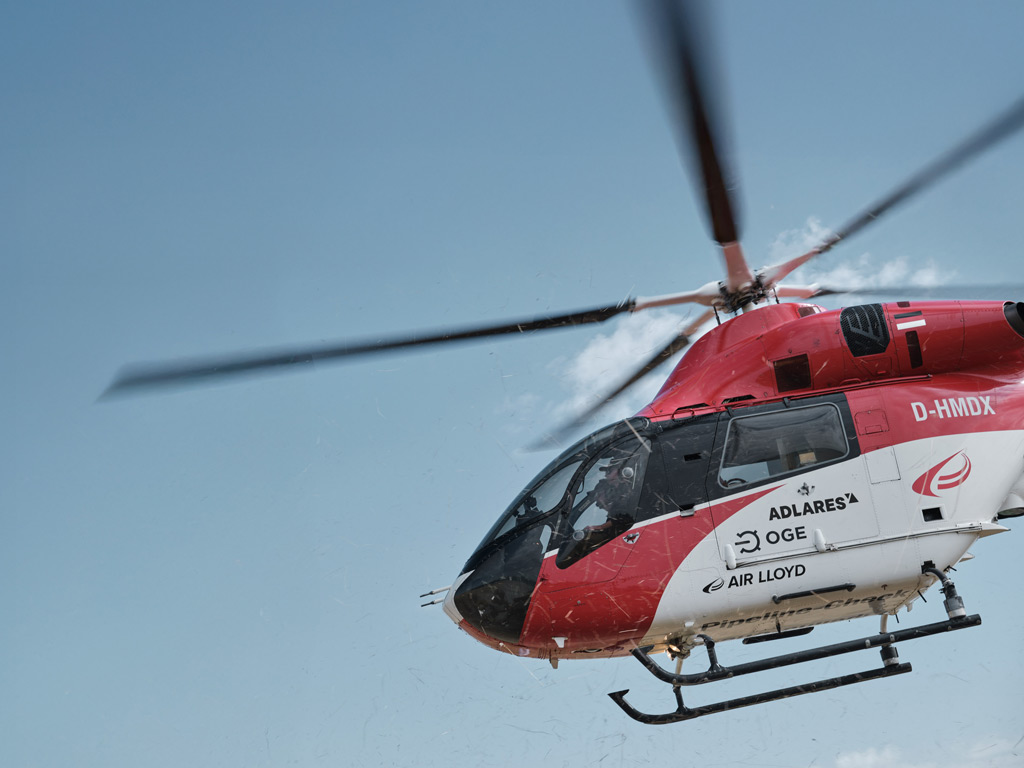
Gas operators can prove LDAR survey compliance with the right audit trail, records, and third-party certification.
October 22, 2026
Gas operators can demonstrate LDAR survey compliance by maintaining a complete, verifiable audit trail that documents survey methodology, equipment calibration, detection thresholds, and follow-up actions. This evidence must show that the survey met the specific technical and procedural requirements set out under applicable regulations, including the EU Methane Regulation for operators in Europe. The sections below unpack each element of that compliance picture.
What does a compliant LDAR survey actually require?
A compliant LDAR survey requires that leak detection is carried out using approved methods, at defined frequencies, with equipment that meets specified sensitivity thresholds, and that all findings are recorded and acted upon within set timeframes. Compliance is not just about detecting leaks; it is about proving, through documented evidence, that the entire process followed the rules.
In practice, this means operators must define their survey scope clearly before work begins, select a detection technology that meets the minimum sensitivity requirements, and ensure that personnel or service providers are qualified to carry out the work. The survey itself must be conducted under appropriate conditions, for example, within acceptable wind speed limits that allow reliable detection, and any gas indications found must be logged, classified, and escalated according to a documented response procedure.
Frequency also matters. Regulations typically distinguish between different equipment types and risk categories, requiring some assets to be surveyed more often than others. A compliant programme keeps a schedule that reflects these distinctions and can demonstrate that no asset was missed or surveyed late.
How does the EU Methane Regulation define LDAR compliance?
Under the EU Methane Regulation, LDAR compliance for upstream and midstream operators is defined by specific survey frequencies, minimum detection sensitivity requirements, and mandatory repair timelines. For underground equipment such as buried pipelines, the regulation introduces Type 2 survey requirements, which demand technologies capable of detecting very low leakage rates that traditional ground-level methods can struggle to achieve.
The regulation sets out a tiered approach. Type 1 surveys cover above-ground components and can often be carried out using handheld or vehicle-mounted detection tools. Type 2 surveys target underground infrastructure and require higher-sensitivity technology, such as airborne laser-based systems, to detect leaks that are otherwise invisible from the surface.
Operators must also comply with repair obligations. Once a leak is detected and classified, the regulation specifies the maximum time allowed before repair or replacement must be completed. Failing to meet these deadlines is itself a compliance failure, even if the original survey was conducted correctly. The regulation therefore demands that pipeline leak detection is treated as part of a continuous compliance cycle, not a one-off event.
What records and documentation must operators keep?
Operators must keep records that cover the full lifecycle of each LDAR survey, from planning through to remediation. At a minimum, this includes the survey date and scope, the detection technology and its calibration status, the qualifications of the personnel or contractor involved, a log of all gas indications found, and evidence that each indication was followed up within the required timeframe.
Good documentation practices go beyond the minimum. Useful records also capture the environmental conditions during the survey (such as wind speed and temperature), the flight path or inspection route, the sensitivity threshold achieved, and the geographic coordinates of any detections. This level of detail allows an auditor to reconstruct exactly what happened and verify that the survey was both thorough and technically valid.
Increasingly, regulators and auditors expect this documentation to be held in a structured, searchable format rather than paper files. Digital records that link detection data to map coordinates, timestamps, and follow-up actions provide a far stronger audit trail. Operators who rely on a secure data platform to store and retrieve survey results are better positioned to respond quickly when a compliance check is requested.
How does third-party certification strengthen compliance evidence?
Third-party certification strengthens compliance evidence by providing independent verification that the survey methodology, equipment, and results meet recognised technical standards. When a regulator or auditor reviews an LDAR audit trail, evidence from a certified third party carries significantly more weight than self-reported data alone.
Certification can apply at several levels. The detection technology itself may carry formal approval from a recognised body; for example, DVGW approval in Germany is a widely respected standard for gas inspection systems. The service provider may also hold quality management certifications that demonstrate consistent, auditable processes. And the individual survey report may be validated by an independent technical reviewer who confirms that the methodology was appropriate for the assets inspected.
For operators working across multiple European jurisdictions, third-party certification also helps navigate differences in national regulatory interpretation. A survey conducted using a DVGW-approved system, for instance, provides a defensible baseline that regulators in multiple countries are likely to accept as evidence of technical rigour.
What happens if an LDAR survey is found non-compliant?
If an LDAR survey is found non-compliant, operators can face regulatory penalties, mandatory re-inspection requirements, and reputational consequences. Under the EU Methane Regulation, non-compliance can trigger enforcement action from national competent authorities, including fines and orders to carry out additional surveys at the operator’s cost.
The consequences depend on the nature of the non-compliance. A procedural gap, such as incomplete records or a missed survey window, may be remedied through corrective action and updated documentation. A technical failure, such as using equipment that did not meet the required sensitivity threshold, is more serious, because it calls into question whether leaks were actually detected or simply missed. In that case, regulators may require the entire survey to be repeated.
Beyond regulatory penalties, non-compliance creates operational risk. Undetected leaks continue to emit methane, exposing operators to safety risks and financial losses from product loss. Demonstrating a robust, well-documented LDAR programme is therefore not just a regulatory obligation; it is a practical risk management tool.
How ADLARES supports LDAR survey compliance
We help gas operators build and maintain a defensible LDAR compliance record from survey design through to documented follow-up. Our CHARM® airborne detection system is the world’s only DVGW-approved gas remote sensing technology, providing the independent technical credibility that regulators and auditors look for. Here is what working with us delivers in practice:
- Regulatory-grade sensitivity: CHARM® detects leakage rates from 150 l/h, meeting the high-sensitivity threshold required for EU Methane Regulation Type 2 surveys of underground equipment.
- High survey speed: Helicopter-based surveys at up to 180 km/h allow large pipeline networks to be inspected efficiently within regulatory timeframes.
- Structured digital audit trail: Survey results are delivered through a secure Web GIS platform, giving operators georeferenced detection data, timestamps, and environmental conditions, exactly what an auditor needs to verify compliance.
- Third-party credibility: As a DVGW-certified system with over 250,000 km of pipeline inspected across Europe, our methodology is recognised and accepted by regulators across multiple jurisdictions.
- End-to-end documentation support: We provide the records operators need to demonstrate that every step of the survey, from equipment calibration to detection thresholds to follow-up actions, was carried out correctly.
If you are preparing for an LDAR audit or need to demonstrate compliance under the EU Methane Regulation, contact our team to discuss how we can support your programme.
Related Articles
- How does an LDAR program work in gas transmission?
- How does airborne methane quantification work at biogas facilities?
- What Is the Difference Between Gas Transmission and Distribution Pipelines?
- How Do You Quantify Fugitive Methane Emissions From a Facility?
- How Often Should a Gas Pipeline Be Inspected?
This content was generated with the help of AI and it may contain mistakes