
Rapid Airborne Emission Monitoring Navigating the EU Methane Regulation
The EU Methane Regulation is ambitious in its targets – but vague on implementation. For gas infrastructure providers, the questions are urgent: What must we report today, and what does compliance look like in 2030? We cut through the uncertainty and clarify what the regulation means for your reporting obligations.
February 20, 2026
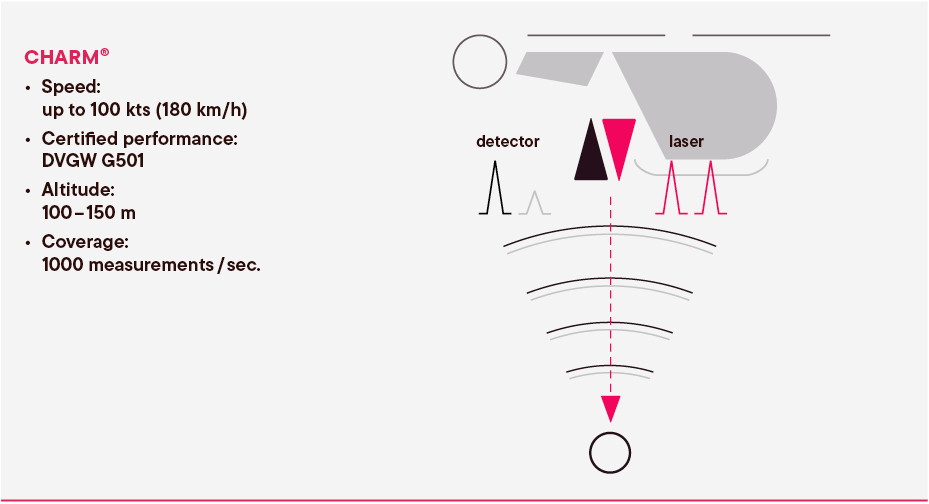
For pipelines, stations, and storage facilities, inspection regulation reflects the process of close-up manual inspections with a high density of high-sensitivity concentration measurements. This is for good reason: reliability . Just as the reading of any handheld gas sensor is a gas concentration in ppm, regulation specifies a 1,000 ppm detection limit (or 5 g/h emission rate) for Type 2 inspections, and standards like DVGW* G501 strictly define the maximum allowable distance between measurement points. Adlares’ airborne inspection technology CHARM® is designed to live up to the proven practices of thorough near-field inspection. Thoroughly tested under all possible conditions and independently verified, CHARM® delivers excellent performance and certified detection capabilities that make it the best-in-class inspection technology.
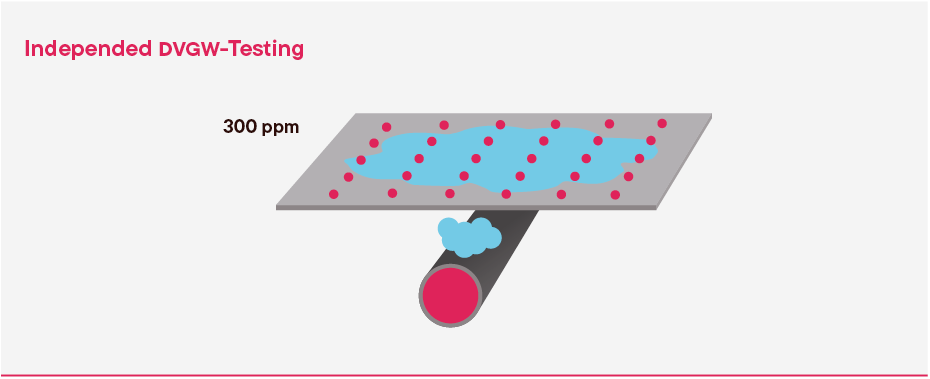
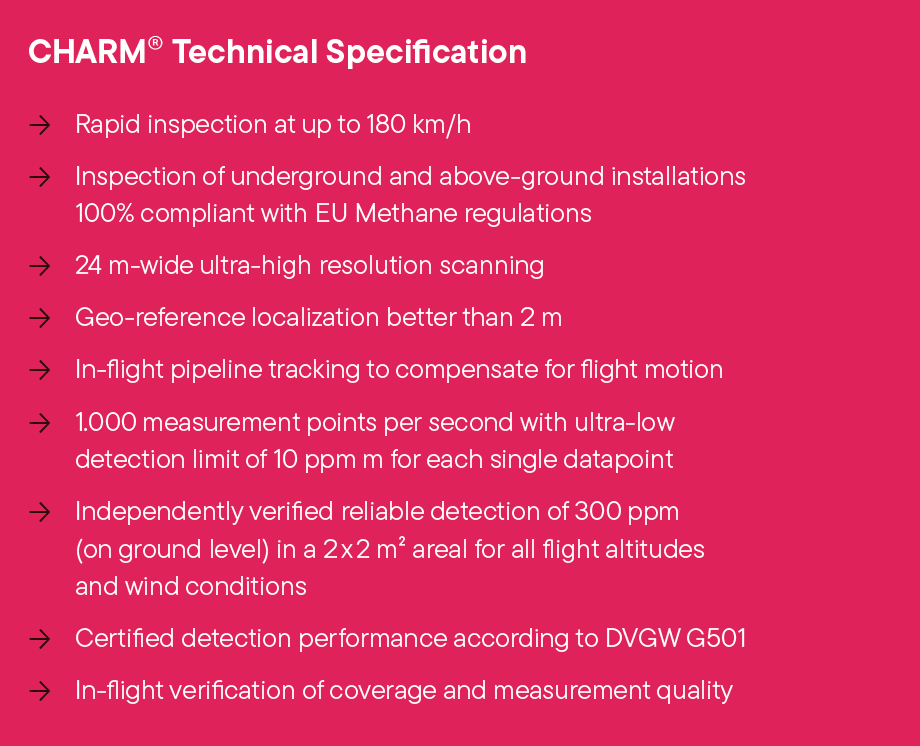
DVGW’s independent verification of CHARM® demands real-world testing conditions. The DVGW test bed simulates an underground emission at a controlled flow rate. FID sensors above ground measure the concentration of methane released below the surface. Tests are carried out at all flight elevations and under all allowable environmental conditions. This thorough testing regime ensures maximum comparability to long-established manual inspection procedures – anything less would compromise reliability. TSOs benefit from rapid airborne inspection at 160 km/h without any compromise in detection performance.
DVGW testing has verified that CHARM® reliably detects the smallest emissions forming 300 ppm in a 2 × 2 m² area just above the surface. Emissions of this size are detected in full flight and, more importantly, under all conditions.
Don’t fall for cheap tech
We are all waiting for the Implementing Act to finally set the rules of inspection, and we encourage regulators to set the bar high for inspection technology providers. Underperforming technology is of no use for EU MRV-compliant inspection. Technology that can pick up 1,000 ppm of methane sounds suitable, but it is useless unless it detects 1,000 ppm concentration levels on the ground under all possible conditions . Technology providers should not falsely claim to be fit for purpose if their system merely forms a string of measurement points along the pipeline: emission detection requires a fine grid of measurement points in a wide swath covering at least 10 m on either side of the pipeline.
Extensive studies by METEC and the Engler-Bunte Institute show that underground emissions form wider emission areas above ground – located in the vicinity of the leak but, depending on soil structure, not necessarily directly above it. Gas travels underground, and the plume widens before reaching the surface. Once in the air, it is rapidly diluted and carried with the wind. Any reliable detection technology must fulfil two requirements to be fit for purpose:
- A grid of measurement points must cover the entire area on either side of the pipeline, extending at least 10 m from the centreline with a spatial resolution better than 2 m.
- Each measurement point must reliably detect a concentration level of 1,000 ppm, meaning sensitivity must be at least three times better than that threshold.
Airborne, fast, and accurate
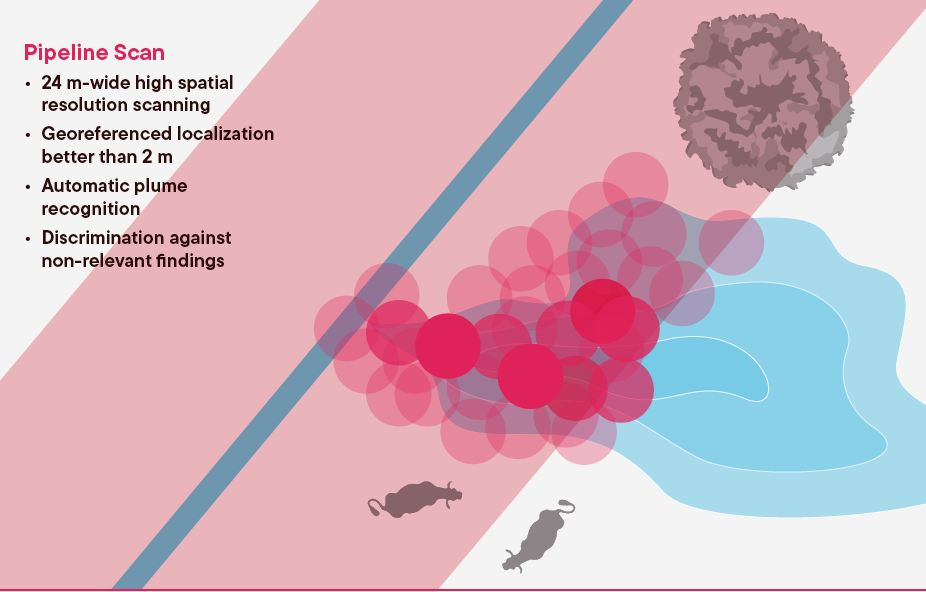
CHARM® was designed in cooperation with OGE to fulfil the needs of reliable inspection and reporting. CHARM® is a full-service inspection solution , enabled by our unique scanning imaging LiDAR technology. Every kilometre of inspected pipeline is checked and analysed by our operations team, safeguarding the dependability of the information our reports provide to customers. We ensure that every relevant leak is identified and that non-relevant findings – such as emissions from a neighbouring biogas facility – are excluded from the report. Our flight operations team ensures that every kilometre of pipeline is inspected under conditions defined in the DVGW G501 certificate . Whenever an inspected section deviates from those quality criteria, it is re-checked until cleared.
CHARM® technology is designed according to the guiding principles of close-up manual inspection. The scanning imaging LiDAR captures not just a line of measurement points, but an entire 25-metre-wide strip along the pipeline, scanned with a high-resolution grid of ultra-sensitive measurement points. One thousand samples per second are taken, each with a detection limit of less than 10 ppm·m. To ensure exact positioning of measurement points, the scanning optics automatically track and follow the pipeline in flight, compensating for aircraft motion. Nothing is lost to this high-resolution scanning; the ultra-high density of precision data forms the foundation for all post-processing.
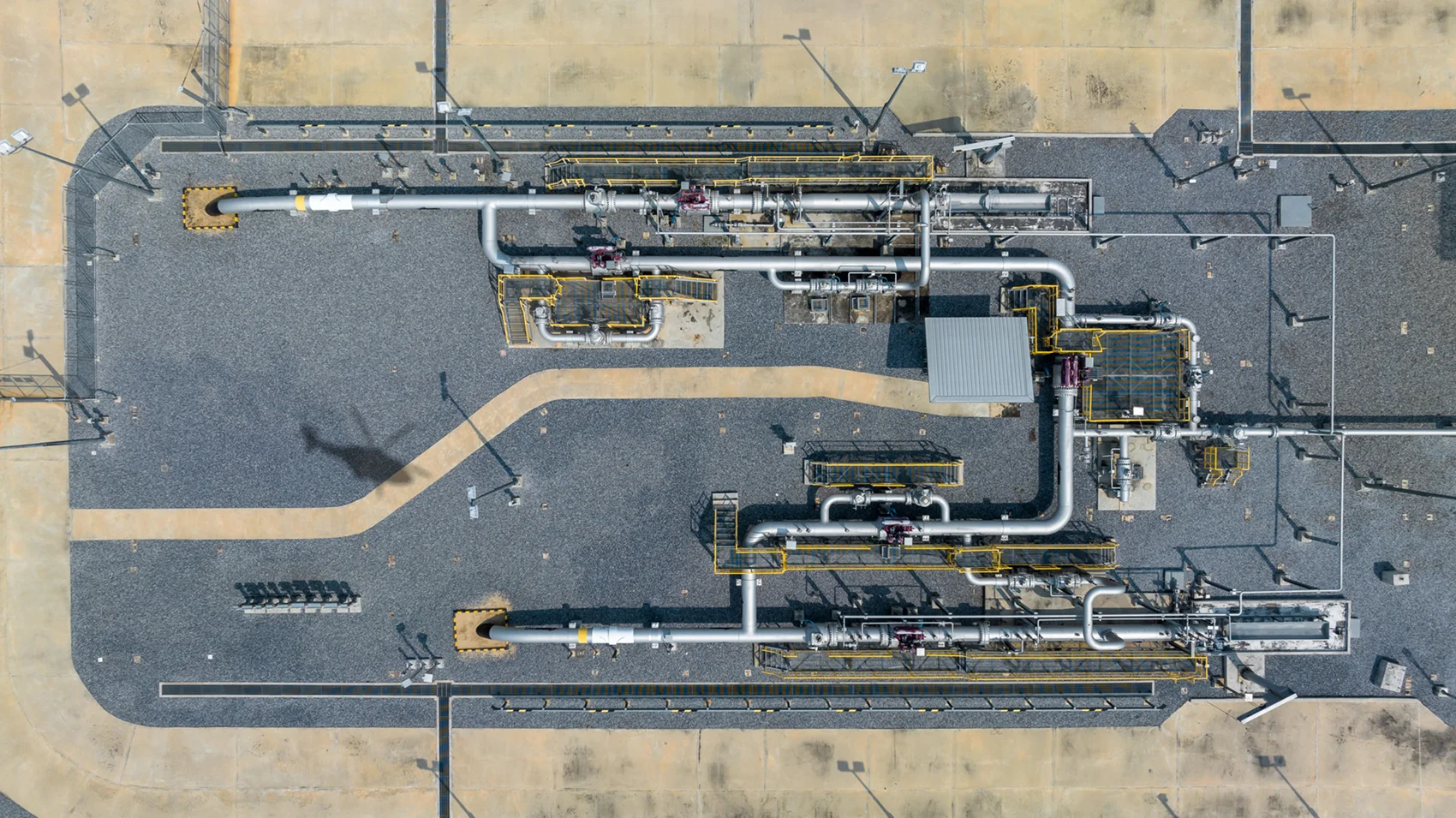
Scanning pipelines and above-ground installations.
The EU Methane Regulation requires Type 2 inspection to achieve maximum inspection intervals on underground infrastructure. Emission levels as low as 5 g/h (or 1,000 ppm above ground) must be reliably identified and localised. For above-ground facilities – such as compressor stations, metering stations, and storage facilities – localisation of emission sources is one aspect of compliant inspection. Quantification of total site emissions is an additional requirement. CHARM® scans an entire facility in minutes and maps emission sources at asset level. Our teams perform supplementary wind measurements, allowing us to calculate emission flow rates with high precision. CHARM® quantification accuracy has been independently verified: GERG (European Gas Research Group) included CHARM® in its “Technology Benchmark for Site-Level Methane Emissions Quantification” project, comparing it against other methods.
Background information – EU Methane Regulation
The EU Methane Regulation (Regulation EU 2024/1787) entered into force on 4 August 2024 as part of the EU’s “Fit for 55” package. It is the first piece of EU legislation aimed at reducing direct methane emissions from the oil, gas and coal sectors. The regulation follows the guidelines of the Oil and Gas Methane Partnership 2.0 (OGMP 2.0) framework, aiming at harmonized and transparent monitoring and reporting standards. The currently pending Implementing Act sets the final rules of inspection. Until it’s adoption, Article 14(7) of the EU Methane Regulation requires operators to “use the best available technologies and the best available detection techniques, in compliance with the manufacturer specifications for operation and maintenance”
Monitoring, Reporting and Verification – Obligations 2025 to 2030
The regulation requires TSOs to measure methane emissions regularly, to monitor and to report emissions at “source-level” rather than relying on estimates. The first reporting cycle started in 2025. Until August 2028, all assets in the EU must achieve OGMP 2.0 Level 5, which includes both operated and non-operated assets. But the regulation goes beyond setting targets for European production and transportation: By January 2027, importers must demonstrate that any contracts concluded or renewed on or after 4 August 2024 only cover crude oil/natural gas subject to monitoring, reporting, and verification mechanisms equivalent to EU requirements. By August 2030, importers must demonstrate that imported crude oil, natural gas, or coal has a methane intensity below a limit set by the Commission. Until August 2025, operators had to set up and initiate an LDAR plan and the first type 2 LDAR survey. They must record all identified leaks, irrespective of their size, and shall keep records for at least 10 years.
Leak Detection and Repair (LDAR)
EU regulation demands strict emission monitoring according to OGMP reporting standards. For underground pipelines and above-ground infrastructure like compressor stations, tanks, and measurement and control stations, the detection capabilities of your inspection regime determine the inspection intervals. Type-1 inspections require a detection limit of 17 g/h (or local concentration of 7.000 ppm). This type is suitable for OGI cameras at close range or less sensitive handheld detection equipment. Type-2 inspections require more sophisticated equipment: The detection limit is 5 g/h (or a local concentration of 1.000 ppm). Type-2 inspections need to be carried out less often, than Type-1 inspections. On underground pipelines, the monitoring interval for type-2 inspections is once in three years. This allows operators to schedule their inspection cycles most effectively.
Above-ground installations: From Source-Level to Site-Level Quantification
For above-ground installations such as compressor stations, metering stations, and storage facilities, this means that operators must not only identify and quantify individual emission sources, but also measure total site emissions to verify that source-level estimates are complete and accurate. This dual approach – combining bottom-up source identification with top-down site measurements – reflects the OGMP 2.0 Level 5 “Gold Standard” and serves a critical purpose: reconciliation.