
Ultra-High Coverage
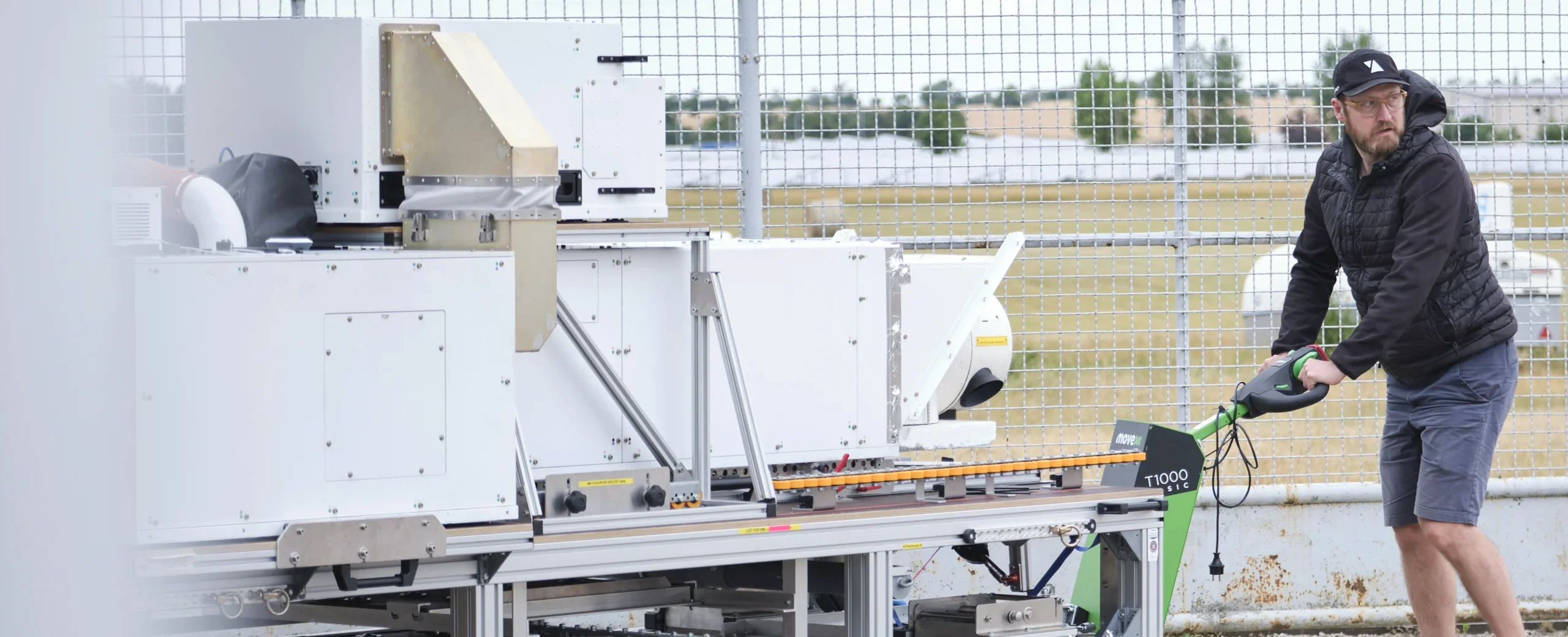
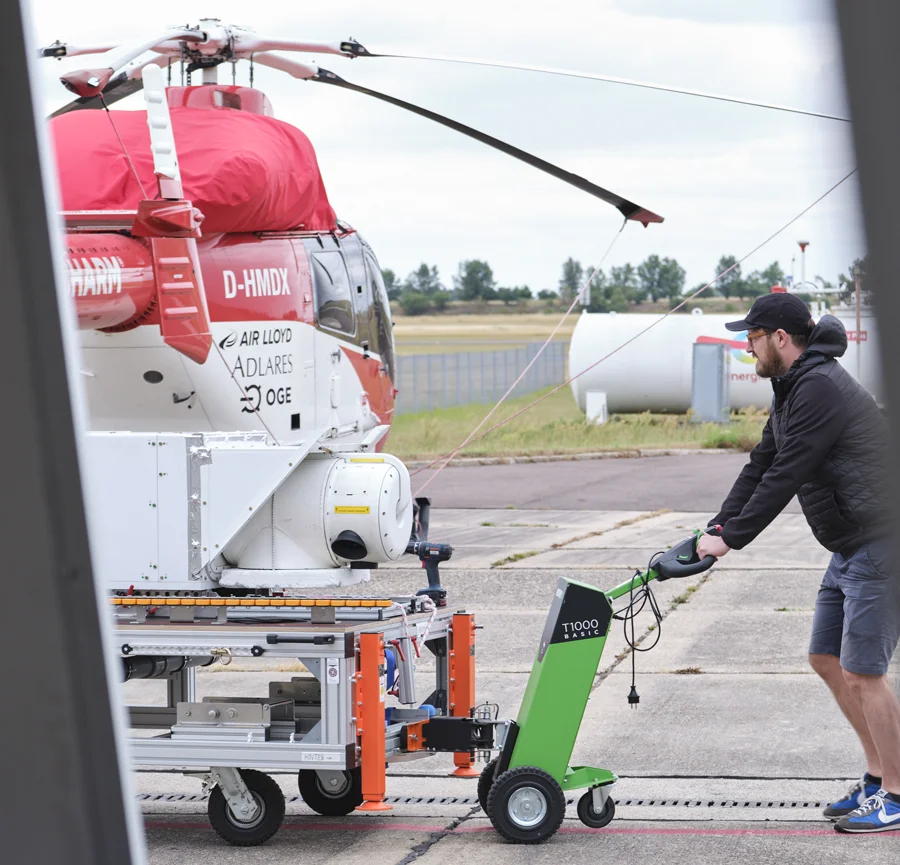
Finding a leak from the air takes more than a sensitive sensor. It takes sensitivity, full coverage and verified reliability – at the same time. CHARM® combines all three: laser-based detection down to the smallest traces of methane, a scan that covers the full width of the corridor where emissions surface, and coverage that is verified live in flight.
CHARM® – Precision With Guaranteed Coverage
CHARM® takes over 1,000 measurement points per second, each with a detection limit below 10 ppm·m, across a 25-metre-wide strip along the route. The scanning optics actively track the pipeline in flight, compensating for aircraft motion – every point is georeferenced to better than 2 metres. Coverage is not assumed, it is measured: the system verifies during the flight that every section meets the required measurement quality, so no re-flights and no blind spots.
This performance is independently certified. Under DVGW G 465-4-5, CHARM® reliably detects an underground methane release of ~150 l/h (about 110 g/h) with a detection probability of at least 80% – proven in controlled release tests, under real flight and wind conditions.
CHARM® is the most accurate airborne method. It takes over 1,000 measurement points per second. The scanning optics actively track in flight.
An Airborne Laser Technology
CHARM® is a scanning imaging LiDAR based on the DIAL principle – Differential Absorption LiDAR. Two laser pulses are sent to the ground: one at a wavelength methane absorbs, one just beside it. From the difference in the reflected signals, CHARM® directly measures the methane column between aircraft and ground, in ppm·m, georeferenced and with the natural background concentration subtracted. What remains is signal: methane that shouldn’t be there.
Developed by Adlares from over two decades of research rooted in the energy industry and aerospace science, the technology flies at 100–150 metres above ground at speeds of up to 180 km/h – covering up to 500 km of pipeline in a single day, without compromising a single measurement point.
Finding a leak from the air takes more than a sensitive sensor.