
Which methane detection methods can be used for MERR-compliant LDAR surveys?
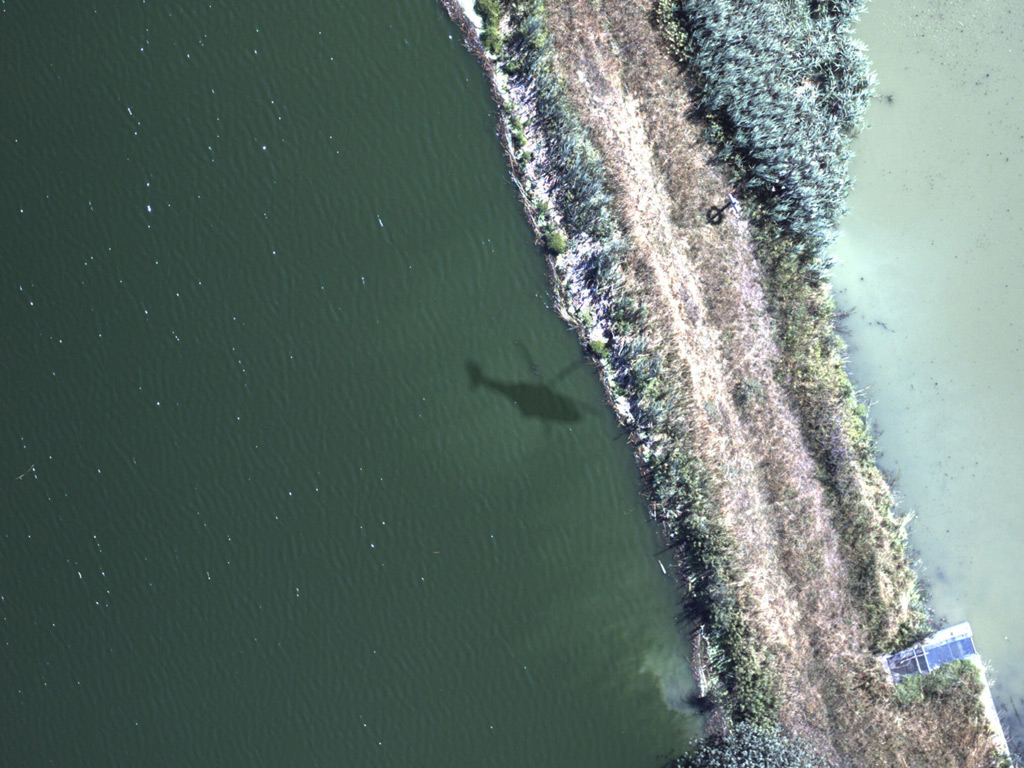
OGI, FID, DIAL, and more: explore which methane detection methods qualify for MERR-compliant LDAR surveys.
November 3, 2026
For MERR-compliant LDAR surveys, operators can use a range of approved methane detection methods, including optical gas imaging (OGI), flame ionization detection (FID), laser-based absorption spectroscopy, and airborne LIDAR systems such as DIAL. The EU Methane Regulation sets specific sensitivity thresholds that determine which technologies qualify for each equipment tier, so the right method depends on the type of infrastructure being surveyed and the detection sensitivity required. The sections below walk through the key questions operators need to answer before selecting an LDAR approach.
What does MERR require for LDAR survey detection methods?
The EU Methane Regulation (MERR) requires that LDAR surveys use detection methods capable of identifying leaks at or below defined sensitivity thresholds, which vary by equipment type and survey tier. Type 1 requirements apply to above-ground components and allow a broader range of instruments, while Type 2 requirements target underground infrastructure and demand significantly higher detection sensitivity.
Under MERR, operators of gas infrastructure in EU member states must conduct regular leak detection and repair surveys using approved methods. The regulation distinguishes between survey tiers based on the type of equipment being inspected, the frequency of surveys, and the minimum detectable leak rate the chosen instrument must achieve. Methods that cannot reliably detect leaks below the specified threshold are not considered compliant, regardless of how widely they are used in practice. This means operators cannot simply carry over legacy inspection routines without first verifying that their instruments meet the current regulatory standard.
What are the approved methane detection technologies for LDAR?
The approved methane detection technologies for MERR-compliant LDAR surveys include optical gas imaging (OGI) cameras, flame ionization detectors (FID), catalytic bead sensors, laser absorption spectrometers, and airborne DIAL (Differential Absorption LIDAR) systems. Each technology has a defined sensitivity range, and only those meeting the minimum detection threshold for the relevant survey tier are considered compliant.
OGI cameras are widely used for above-ground component surveys because they allow operators to visualize gas plumes in real time without physical contact with the equipment. FID instruments are a long-established standard for quantifying leak rates at individual components. Laser absorption spectrometers offer high precision and are increasingly used for both ground-level and mobile surveys. Airborne LIDAR systems, including DIAL-based platforms, represent the most advanced category and are particularly relevant for pipeline corridor surveys covering large distances. The choice between these technologies is not purely technical, survey frequency requirements, site accessibility, and the specific equipment tier being inspected all shape which method is appropriate.
How does airborne LIDAR detection compare to ground-based LDAR methods?
Airborne LIDAR detection covers significantly more distance per survey than ground-based LDAR methods, making it far more efficient for long pipeline corridors. Ground-based methods offer precise component-level inspection but are slower and more resource-intensive at scale. The two approaches are complementary rather than competing, airborne detection is best suited for wide-area screening, while ground-based methods excel at targeted component-level verification.
Coverage and survey speed
Ground-based LDAR teams typically inspect individual components on foot or from vehicles, which is thorough but time-consuming across hundreds of kilometres of pipeline. Airborne LIDAR platforms can survey entire pipeline corridors at speeds of up to 180 km/h, covering large networks in a fraction of the time. This speed advantage is especially valuable for operators managing extensive transmission or distribution networks where annual or semi-annual coverage is required under MERR.
Detection sensitivity and data output
Modern airborne DIAL systems can detect leakage rates from as low as 150 litres per hour under field conditions, which meets the sensitivity requirements for underground pipeline equipment under MERR Type 2. Ground-based instruments such as FIDs can achieve very high sensitivity at individual components but require direct access to the equipment. Airborne surveys also generate georeferenced data delivered through digital platforms, enabling operators to prioritize and act on findings without delays caused by manual data processing.
Which LDAR method meets MERR Type 2 sensitivity requirements?
DIAL-based airborne methane detection meets MERR Type 2 sensitivity requirements for underground pipeline equipment. Type 2 demands high detection sensitivity because underground leaks are harder to access and verify, and not all ground-based instruments achieve the required threshold consistently under real-world field conditions. Airborne DIAL systems designed specifically for pipeline inspection are among the few technologies that reliably satisfy this requirement at scale.
The DIAL method works by emitting two laser pulses at different wavelengths, one absorbed by methane and one not, and measuring the difference in backscattered light to identify and quantify gas concentrations along the survey path. This approach does not require physical proximity to the leak source, which is a significant advantage for buried infrastructure. For operators seeking to demonstrate compliance with EU Methane Regulation Type 2 requirements, selecting a technology with documented regulatory approval and a verified sensitivity specification is essential. Learn more about airborne pipeline inspection services that meet these standards.
What factors should operators consider when choosing an LDAR method?
When choosing an LDAR method for MERR-compliant surveys, operators should consider the equipment tier being inspected, the minimum sensitivity required, the length and accessibility of the infrastructure, survey frequency obligations, and the format of the data output needed for regulatory reporting. No single method is optimal for every situation, so many operators use a combination of approaches.
- Equipment type and survey tier: Above-ground components may be addressed with OGI or FID, while underground pipelines require methods that meet the higher Type 2 sensitivity threshold.
- Infrastructure scale: For networks spanning hundreds or thousands of kilometres, airborne methods offer a practical efficiency advantage over ground-based teams.
- Site accessibility: Remote or difficult terrain, river crossings, and urban corridors may limit what ground-based teams can safely access, making aerial surveys more practical.
- Regulatory documentation: Operators should confirm that their chosen method carries recognized approval or certification, as regulators may require evidence that the instrument meets the stated sensitivity specification.
- Data integration: Survey results need to be usable for repair prioritization and regulatory reporting, so the format and accessibility of the output data matter as much as detection performance.
- Survey frequency: MERR sets different inspection intervals depending on infrastructure type and risk category, which affects the total cost and logistical planning for each method.
Operators managing large transmission networks often find that a tiered approach works best: airborne screening to identify priority areas across the full network, followed by targeted ground-based verification at flagged locations. This combination maximizes coverage while keeping resource allocation focused where it matters most.
How ADLARES supports MERR-compliant LDAR surveys
We provide airborne methane detection services built specifically for the demands of MERR-compliant pipeline inspection. Our CHARM® technology is the world’s only DVGW-approved gas remote detection system, and it meets the EU Methane Regulation Type 2 sensitivity requirements for underground equipment. With over 250,000 km of gas pipelines inspected across Europe since 2008, we bring a depth of operational experience that is difficult to match.
Here is what we offer operators looking for a compliant, efficient LDAR solution:
- High-sensitivity DIAL detection: CHARM® detects leakage rates from 150 l/h, satisfying Type 2 thresholds for underground pipeline infrastructure.
- Rapid network coverage: Helicopter-based surveys at speeds up to 180 km/h allow large networks to be covered quickly, reducing the operational window and cost per kilometre.
- Secure digital reporting: Survey results are delivered through a secure Web GIS platform accessible on desktop and mobile, making it straightforward to verify findings and plan repairs.
- Proven regulatory standing: CHARM® holds DVGW approval, providing operators with documented evidence of compliance for regulatory submissions.
- Pan-European experience: We work with grid operators across Europe, with a track record that covers diverse pipeline environments and regulatory contexts.
If you are planning your MERR-compliant LDAR program for 2026 and want to understand how airborne detection fits into your inspection strategy, get in touch with our team to discuss your network’s specific requirements.
Related Articles
- What questions should operators ask before selecting a methane detection provider?
- What data is needed to convert methane concentration readings into emission rates?
- How does airborne methane quantification work at biogas facilities?
- What Causes Gas Pipeline Leaks?
- How Does Weather Affect Methane Detection Accuracy?
This content was generated with the help of AI and it may contain mistakes